
Reliable Power for Remote Communities: Lessons from Two Alaska Wind Projects
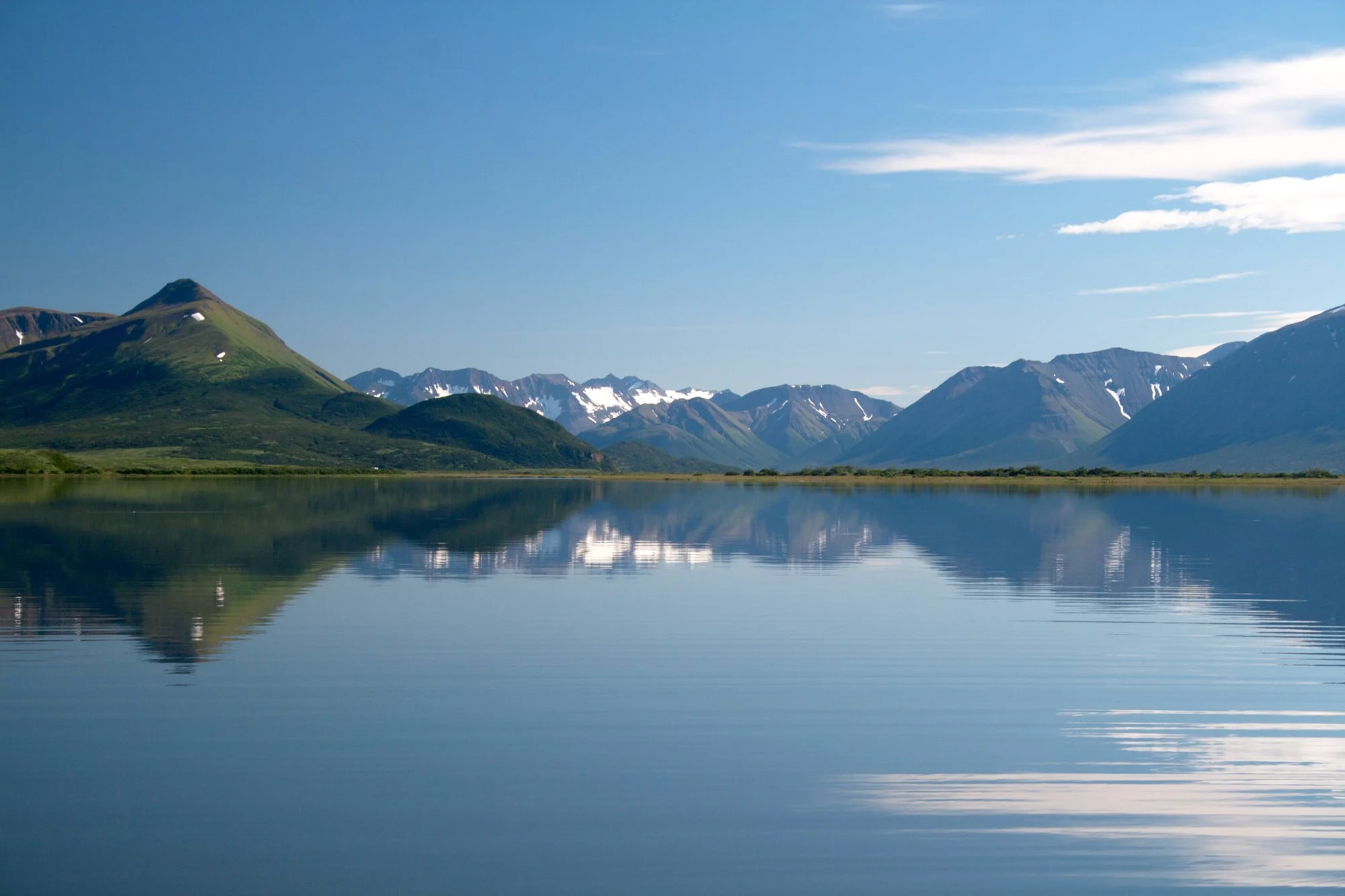
What Goodnews Bay and Perryville show about reducing diesel dependence and designing energy systems around local needs.
Every community depends on a handful of essential services.
Clean drinking water and sanitation services. Reliable electricity. Communications. Emergency response. These systems quietly support daily life, but they all share one critical requirement: dependable power.
For many remote communities, providing that power isn't simple. Electricity is often generated entirely by diesel fuel that must be transported long distances, increasing costs and creating logistical challenges.
That's why more communities are exploring hybrid energy systems that combine distributed renewable generation with existing infrastructure to reduce diesel dependence while improving long-term resilience.
That approach can be seen in two Skystream projects in rural Alaska, where community-scale wind was integrated with existing diesel-powered microgrids to support essential services and reduce reliance on fuel.
Supporting Critical Infrastructure: Goodnews Bay
In Goodnews Bay, Alaska, the community's water treatment facility required approximately 18,000 kWh of electricity each year to provide clean drinking water.
To help reduce diesel consumption, the Alaska Native Tribal Health Consortium partnered with local organizations to integrate three Skystream 3.7 wind turbines into the village microgrid.
Rather than replacing diesel generation, the turbines work alongside the existing system, producing clean electricity when wind resources are available and reducing reliance on diesel-generated electricity.
The project was designed to generate approximately 13,500 kWh annually, equivalent to roughly 75% of the water treatment facility's annual electricity demand, while lowering diesel consumption and operating costs. When wind production exceeds the facility's immediate needs, excess electricity is distributed through the village microgrid, helping maximize the value of locally generated renewable energy.
It's a practical example of how distributed wind can strengthen critical infrastructure without requiring communities to abandon the systems they already rely on.
Building Systems Communities Can Maintain: Perryville
While Goodnews Bay demonstrates how distributed wind can support essential public services, Perryville illustrates another important aspect of resilient energy systems: they must also be practical to operate and maintain.
In Perryville, Alaska, 10 Skystream wind turbines were integrated into the village's existing diesel-powered electrical system, allowing wind energy to offset diesel generation whenever conditions permitted. Existing diesel generators remained in place to provide dependable backup power during periods of low wind.
One of the most remarkable aspects of the project wasn't simply the technology. It was the approach to long-term operation.
Community members participated in installing the turbines using locally available equipment, raising the towers without specialized cranes. The system was also designed with local maintenance in mind. Rather than relying on outside service crews, residents could lower the turbine towers using a pickup truck-mounted winch whenever routine maintenance or repairs were needed.
By designing the system around the realities of operating in a remote community, the project reduced maintenance complexity and helped ensure the renewable energy system could continue serving the village for years to come.
The Opportunity Extends Far Beyond Alaska
While these projects took place in rural Alaska, the challenges they addressed are shared by communities around the world.
Remote islands face high fuel transportation costs and supply chain vulnerabilities. Rural communities often depend on aging diesel infrastructure. Coastal regions also face severe weather that can put added demands on energy infrastructure. In these environments, equipment durability matters. Skystream turbines have a survival wind speed rating of 140 mph, within the wind speed range of a Category 4 hurricane.
In each of these cases, hybrid renewable systems can help reduce fuel consumption while increasing operational flexibility.
At suitable sites, distributed wind can also complement solar generation, with wind production occurring during periods when solar production is limited or unavailable. This helps create a more balanced and resilient energy profile throughout the day and across changing seasons.
This complementary approach is one reason hybrid energy systems are becoming an increasingly important strategy for communities seeking to improve energy resilience while reducing reliance on imported fuel. For a deeper look at this approach, explore Skystream's Industry Brief: Distributed Wind and Energy Resilience in Caribbean and Coastal Environments.
A Common Lesson
Although Goodnews Bay and Perryville served different community needs, they shared several important goals.
Both projects were designed to:
Reduce dependence on imported diesel fuel
Integrate with existing diesel-powered microgrids
Improve long-term energy reliability
Utilize proven technology suited for remote environments
Strengthen essential community infrastructure
Neither project attempted to eliminate diesel generation entirely. Instead, both demonstrated how distributed wind can become an important component of a resilient hybrid energy system, reducing fuel consumption while maintaining dependable power.
Together, the projects reinforce an important principle: resilient energy systems are rarely built around a single technology. They're built by combining proven energy resources in ways that meet the unique operational needs of each community.
Local Resources, Local Solutions
The Goodnews Bay and Perryville projects demonstrate that community-scale wind can serve very different needs. In one village, distributed wind helped support reliable drinking water. In another, the system was designed around the realities of local maintenance and long-term operation.
Together, these projects show the importance of designing energy systems around the communities they serve. By making use of locally available renewable resources, remote communities can reduce their dependence on imported fuel while supporting the essential services people rely on every day.
Explore the Full Case Studies
Learn more about how these projects helped strengthen energy resilience in two remote Alaska communities:
Goodnews Bay, Alaska Case Study – Discover how three Skystream wind turbines help support a community water treatment facility while reducing diesel consumption and supplying approximately 75% of its annual electricity needs.
Perryville, Alaska Case Study – See how ten Skystream wind turbines were integrated into an existing diesel-powered microgrid using a community-centered approach designed for long-term local maintenance.