
5 Questions Before the Next Storm Tests Your Power System
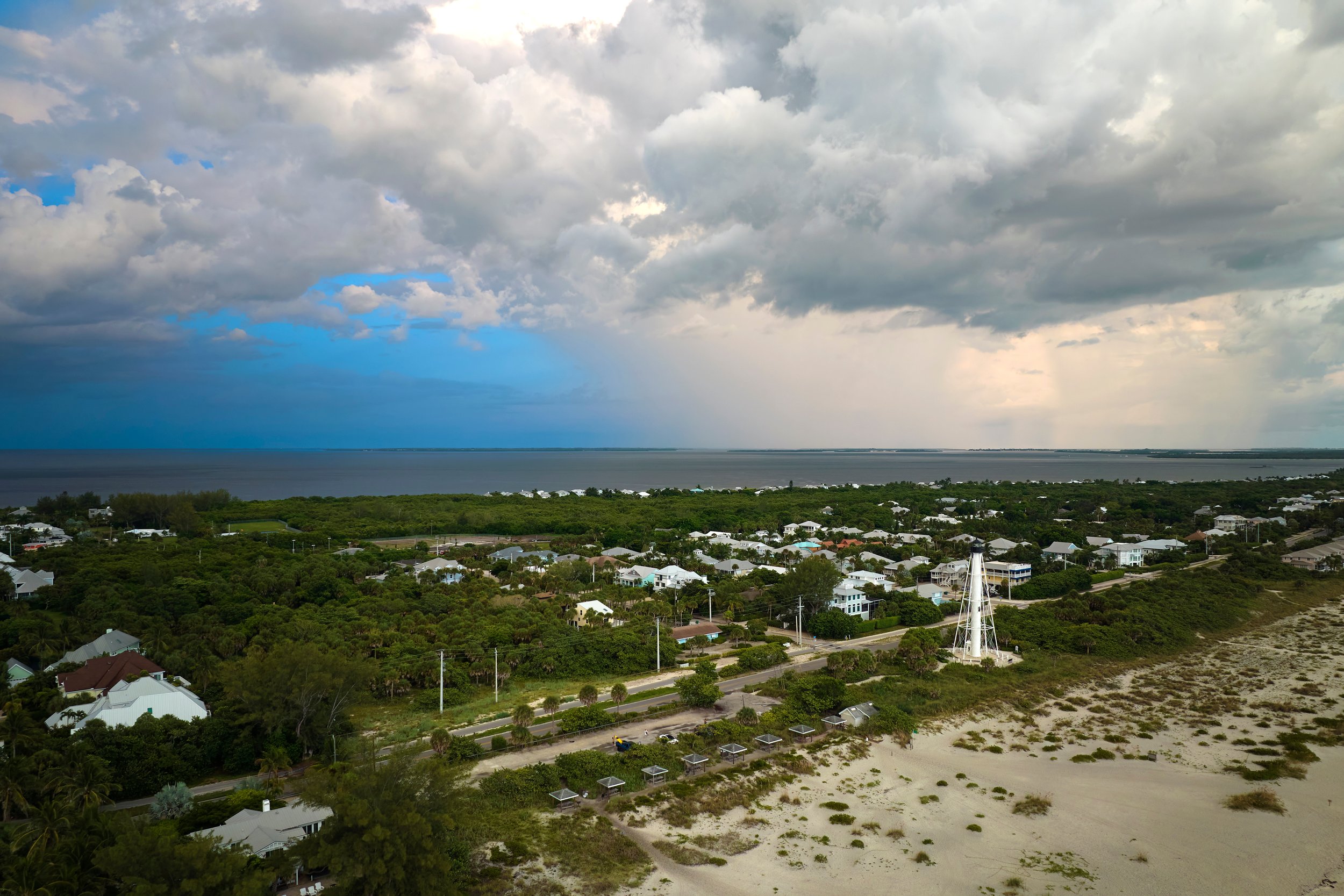
The best time to evaluate the resilience of your power system is before you need it.
Hurricanes and tropical storms can knock out power across coastal regions, while heavy snow, ice, flooding, and high winds can create similar challenges elsewhere. For rural and remote locations, severe weather can also disrupt fuel deliveries, transportation, and access to outside support.
The challenge isn't simply keeping the lights on during an outage. It's having an energy system that can continue supporting critical operations when normal resources and infrastructure are disrupted.
As fall and winter storm seasons approach, here are five questions to consider before the next major weather event arrives.
1. How Long Can Operations Continue If Grid Power Is Unavailable?
Many backup systems are designed around short-duration outages.
However, severe weather can disrupt power for days or even weeks depending on location, accessibility, and infrastructure damage. Utility crews may face delayed restoration efforts, and remote locations can experience longer recovery timelines.
Consider:
Expected outage duration
Critical load requirements
Available backup resources
Fuel reserves
Renewable energy contribution
The real question isn't simply whether backup power is available. It's how long critical operations can continue if normal power sources remain unavailable.
2. What Happens If Fuel Deliveries Are Delayed?
Fuel logistics are often overlooked until a disruption occurs.
Road closures, flooding, severe snow, and transportation delays can all impact fuel availability during and after major weather events. Even locations with adequate generator capacity can face challenges if fuel replenishment becomes difficult.
Systems that rely exclusively on generators may be particularly vulnerable when supply chains are disrupted.
This is one reason hybrid systems can be valuable in locations where fuel availability is a concern. Combining conventional generation with locally available renewable energy and battery storage can reduce overall fuel consumption, helping extend available reserves and reduce dependence on external deliveries during critical periods.
3. How Much Generator Runtime Are You Prepared For?
Generators are essential resilience assets, but extended runtime creates additional challenges.
More runtime typically means:
Higher fuel consumption
Increased maintenance requirements
Greater operating costs
More wear on critical equipment
Increased risk of unexpected failures
Reducing generator runtime can often be just as important as ensuring sufficient generator capacity.
Hybrid energy systems can offset a portion of energy demand, allowing generators to operate less frequently while preserving fuel supplies and reducing maintenance burdens.
In Goodnews Bay, Alaska, three Skystream turbines were installed to offset diesel-generated electricity for the community's water treatment facility, with excess generation feeding the village microgrid. The system was designed to generate approximately 13,500 kWh annually, equivalent to about 75% of the facility's annual electricity demand. The project demonstrates how locally generated renewable energy can reduce diesel dependence while supporting essential infrastructure.
4. Are You Too Dependent on a Single Source of Power?
Grid power, generators, solar, wind, and battery storage each have strengths and limitations. The question is what happens when one of those resources becomes constrained or unavailable.
A diversified energy system provides more options as conditions change. Wind and solar, for example, can complement one another because they often produce energy at different times of the day and year. Solar production can also be affected by shorter winter days, cloud cover, or snow accumulation, while wind follows a different resource profile. Adding distributed wind to a system can therefore provide another source of locally generated energy rather than relying on the same conditions for renewable production.
Battery storage can help manage short-term demand, while generators or the grid can provide additional support when needed.
The right mix will vary by location, energy demand, available resources, and existing infrastructure.
The important question is whether the loss or limitation of any one resource leaves the entire operation vulnerable.
5. Is Your Power Strategy Built for Recovery, Not Just Backup?
The storm may pass long before normal operations return.
Roads may remain inaccessible, fuel deliveries may still be delayed, utility infrastructure may require repair, and outside crews or replacement equipment may be difficult to reach. A generator may keep critical operations running during the initial outage, but recovery can require sustained performance over a much longer period.
Questions to consider include:
Can the system operate efficiently for multiple days or weeks?
Is there redundancy if one resource becomes unavailable?
Can locally generated energy help reduce operational strain?
Are critical loads prioritized appropriately?
Is the system designed to support longer-term recovery?
Resilience isn't simply about surviving the initial outage. It's about maintaining critical operations until normal conditions return.
Preparing for Whatever the Season Brings
No single energy resource can address every potential disruption. Resilience starts with understanding where a power system is most vulnerable and determining which combination of resources can help address those vulnerabilities.
For some locations, that may mean adding storage. For others, it may mean reducing generator runtime or integrating locally generated wind alongside solar, grid power, or existing diesel generation.
The goal isn't simply to prepare for the next storm. It's to build an energy system capable of adapting when normal operating conditions change.
By asking these questions before severe weather arrives, communities, property owners, and operators can identify vulnerabilities earlier and make more informed decisions about how to keep critical operations running.
Ready to Evaluate Your Energy Resilience Strategy?
Skystream Energy helps communities, property owners, and operators incorporate distributed wind into more resilient energy systems, whether alongside the grid, solar, battery storage, or conventional generation.
Contact our team to explore where distributed wind could fit into your energy strategy.