
What Makes a Skystream Blade Different?
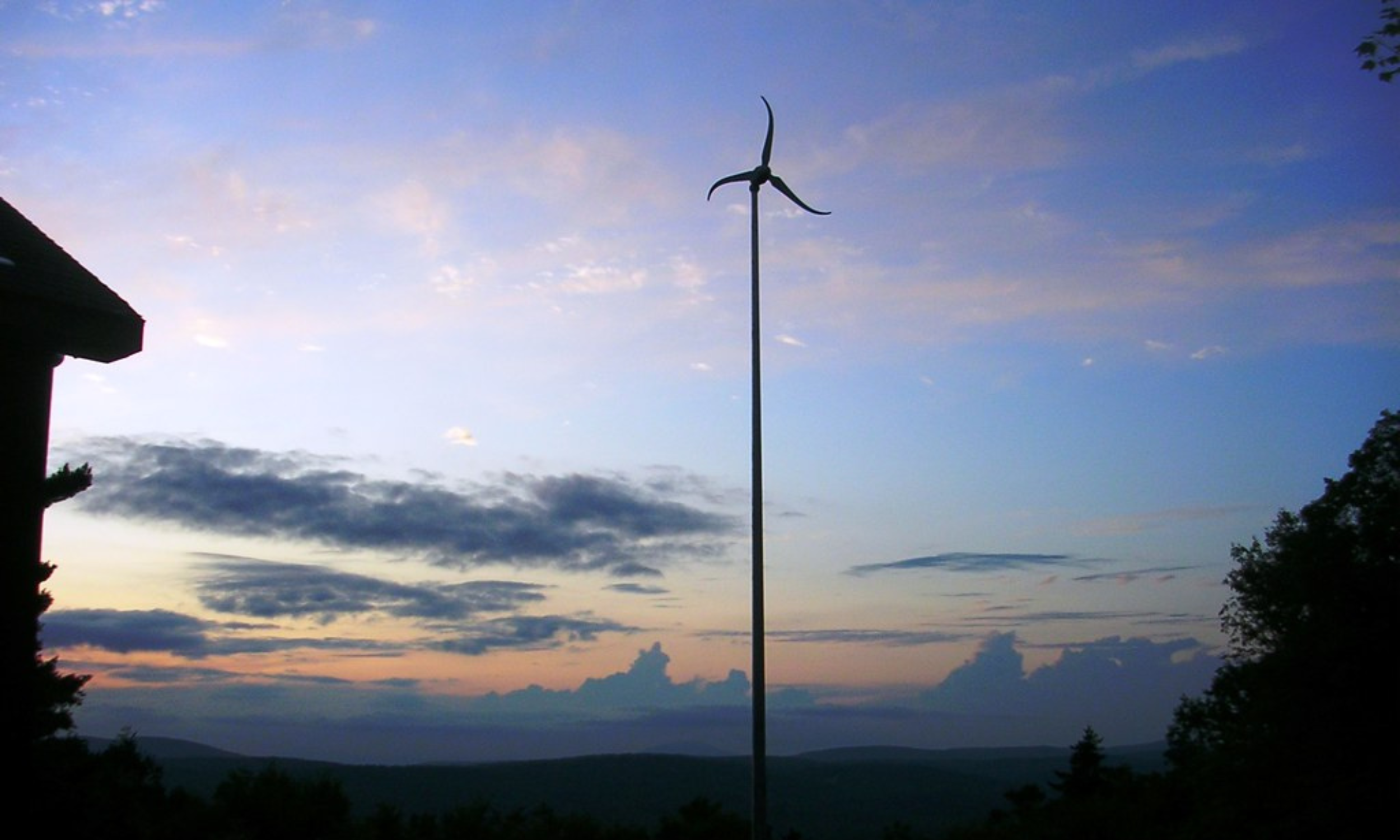
Not all wind turbine blades are designed the same way.
Their shape, size, and aerodynamic characteristics influence how efficiently a turbine captures wind energy, how quietly it operates, and how it performs across different wind conditions.
For Skystream, blade design was a key part of the turbine's development from the beginning.
Originally developed by Southwest Windpower in collaboration with the National Renewable Energy Laboratory (NREL), Skystream incorporated a specialized airfoil designed specifically for small wind applications.
Purpose-Built for Small Wind
Small wind turbines present a different engineering challenge than the massive turbines found in utility-scale wind farms.
They operate closer to homes, businesses, and communities. They also encounter changing wind conditions, including turbulence created by terrain, vegetation, buildings, and other features of the surrounding environment.
That's why Skystream's blades aren’t simply scaled-down versions of utility wind turbine blades.
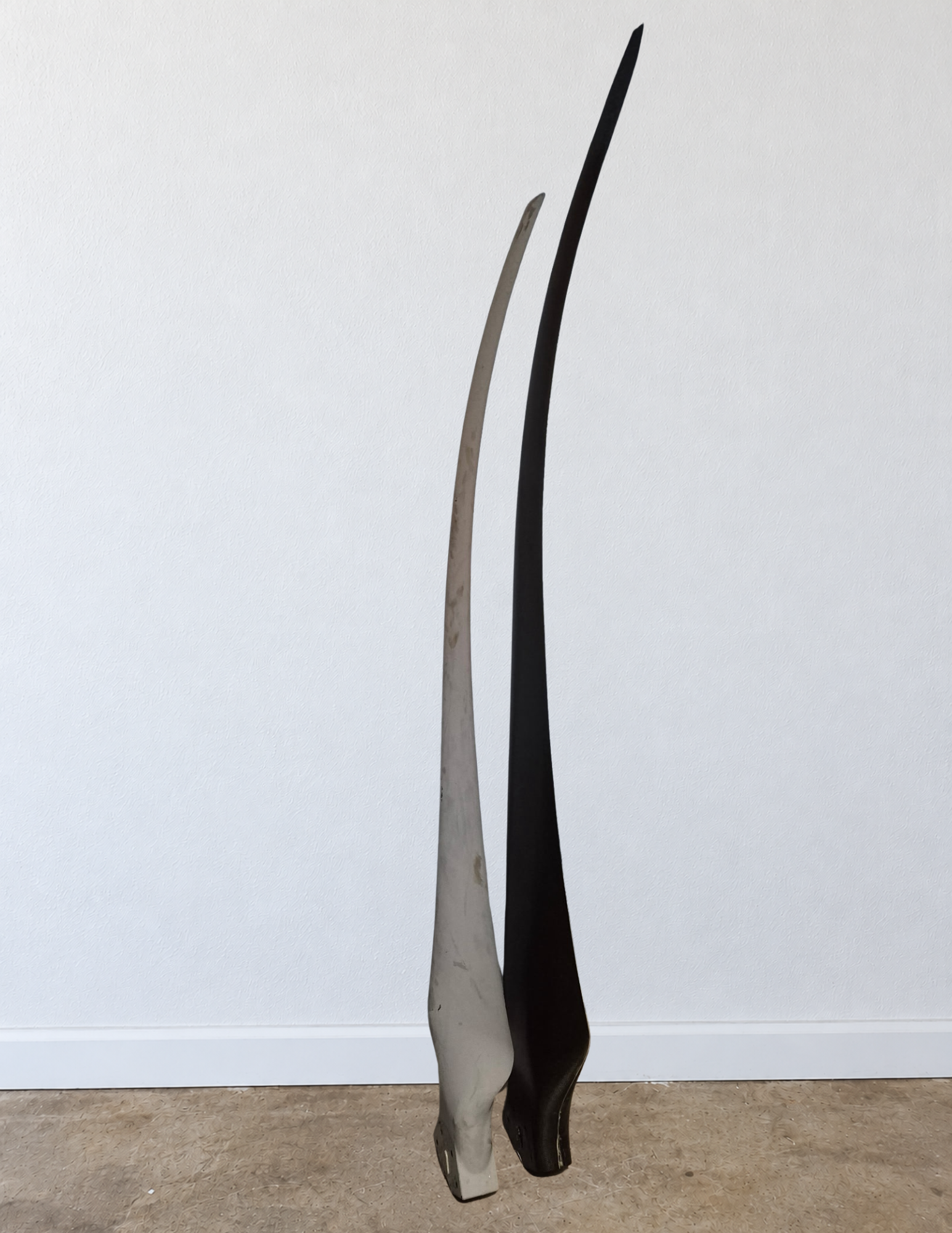
The airfoil's distinctive geometry includes a relatively blunt leading edge and a thin, sharp trailing edge. Together with Skystream's lower rotational speed, the blade design was developed to balance efficient energy capture with quieter operation.
NREL researchers also put the design to the test. A prototype Skystream blade underwent acoustic wind-tunnel testing to better understand how blade characteristics, including trailing-edge geometry, affected sound.
For a turbine designed to operate near the places people live and work, quiet operation wasn't an afterthought. It was part of the engineering challenge from the beginning.
Designed for Real-World Conditions
Wind turbine blades operate outdoors year-round, exposed to dust, dirt, insects, and changing weather conditions. Over time, buildup on the blade surface can affect how air flows across it, potentially reducing aerodynamic performance.
This was an important consideration in the development of Skystream's airfoil. Research examined how the blade would perform under different surface conditions, including the effects of surface roughness.
The airfoil demonstrated relatively low sensitivity to surface roughness, meaning its aerodynamic performance was less affected by surface imperfections. That's a valuable characteristic for a small wind turbine operating in environments where blades won't always remain perfectly clean.
For turbine owners, the practical significance is straightforward: blade performance shouldn't depend entirely on maintaining an ideal, perfectly clean surface.
Capturing Energy Across a Range of Wind Conditions
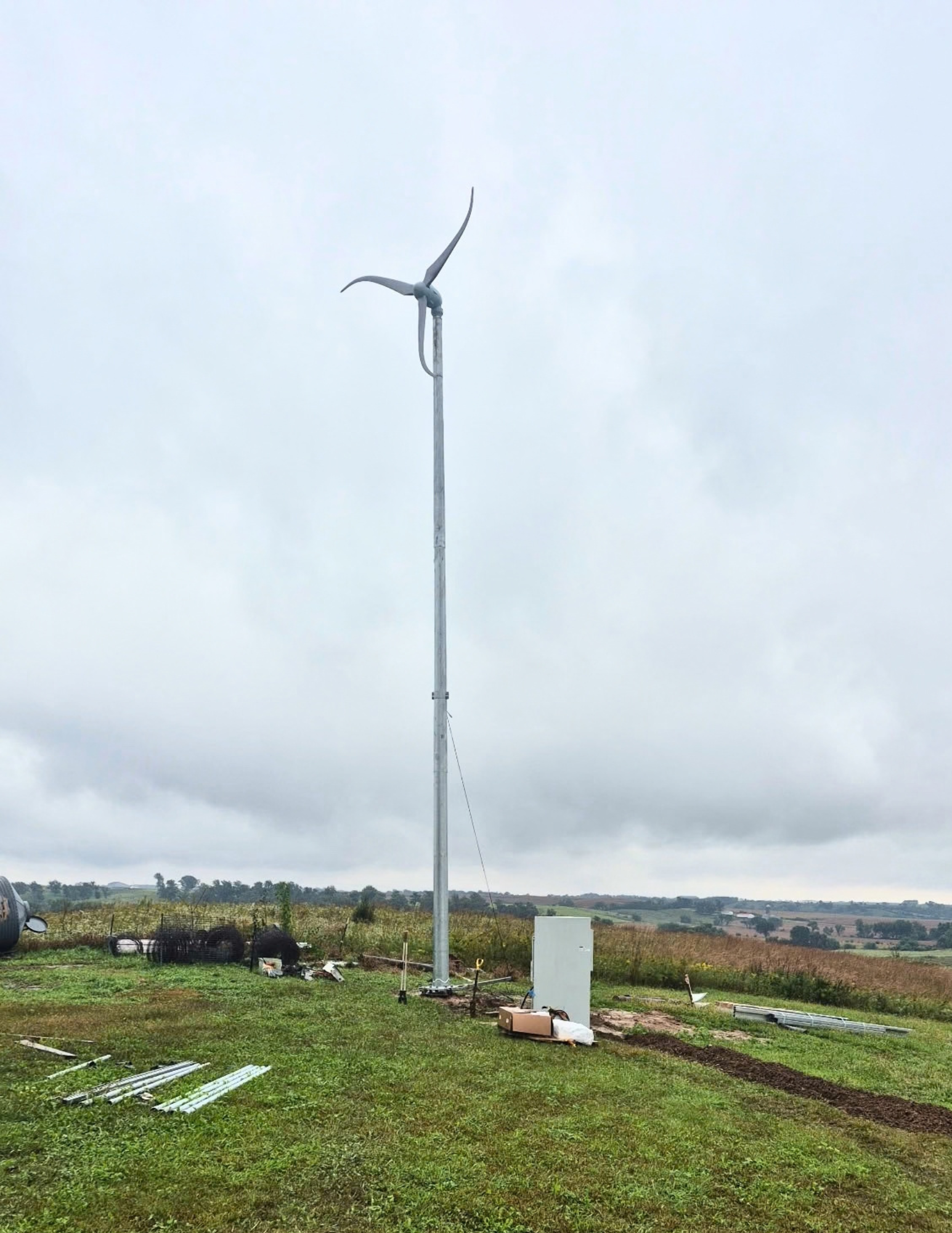
A wind turbine encounters a range of wind speeds throughout the day, and its blades play an important role in how effectively it captures energy under those changing conditions.
Skystream's airfoil was developed with efficient energy capture in mind, but a turbine's overall performance depends on more than blade design alone.
That's why cut-in wind speed tells only part of the story. While it identifies when a turbine begins generating electricity, it doesn't indicate how much energy the system will produce over time.
Actual energy production depends on the site's wind resource, how frequently different wind speeds occur, and the turbine's overall performance.
For anyone considering a small wind turbine, estimated annual energy production is a more meaningful measure than cut-in speed alone.
A Blade Designed With a Purpose
Airfoil shape, blade geometry, rotational speed, controls, and the rest of the turbine system all work together. Skystream's blade design reflects that systems approach.
Developed specifically for small wind applications, the original blade design brought together aerodynamic research, acoustic considerations, and an understanding of the conditions small wind turbines encounter in everyday operation.
Because a wind turbine blade isn't simply what makes the turbine turn.
It's where energy capture begins.