
Community-Scale Wind Power in Remote Alaska
CASE STUDY

Location
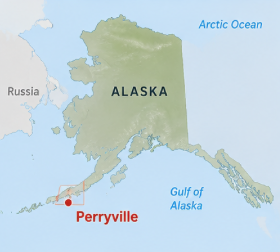
Perryville, Alaska
Application
Community microgrid serving 133 residents
Solution
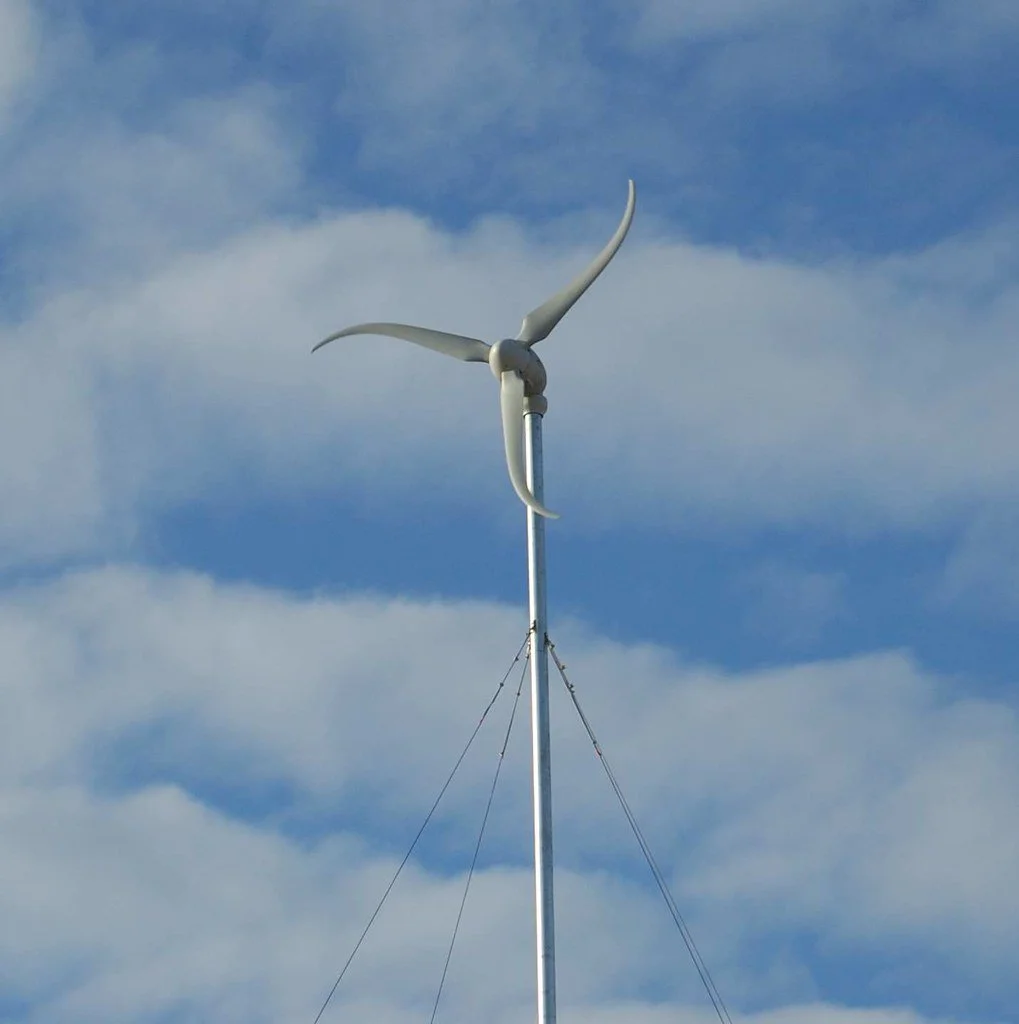
10 Skystream wind turbines integrated with existing diesel generation
Results
Local installation and maintenance with readily available equipment
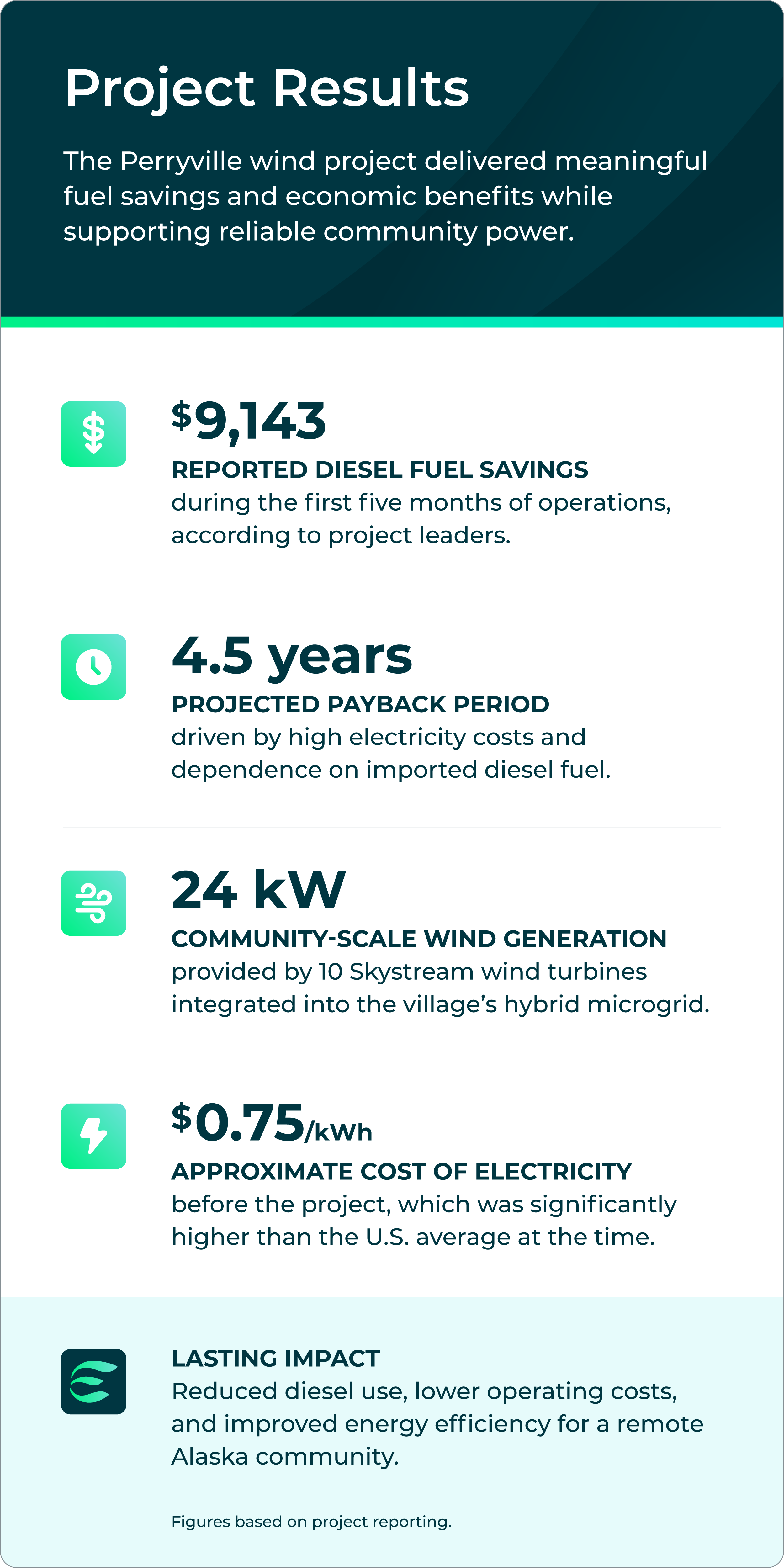
$9,143 in fuel savings in first 5 months
Projected 4.5-year payback period
How a Remote Alaska Village Reduced Diesel Use with Wind Power
For remote communities, the cost of electricity is often driven by the cost of delivering diesel fuel. In Perryville, Alaska, electricity cost approximately $0.75 per kilowatt-hour, prompting village leaders to explore ways to reduce fuel consumption while maintaining reliable power.
The community responded by integrating 10 Skystream wind turbines into its existing diesel-powered microgrid, demonstrating how distributed wind could help lower fuel use and support reliable, community-scale power generation in one of North America's most challenging operating environments.
The Challenge
Located on the Alaska Peninsula, Perryville relies on fuel deliveries that travel long distances before reaching the village. Fuel and supplies are typically delivered by barge, and additional deliveries can require costly air transport. As fuel prices began to rise, so did the cost of generating electricity for homes, businesses, and community facilities.
For a small, isolated community, every gallon of diesel represented a significant operating expense. Village leaders began exploring ways to reduce fuel consumption while maintaining reliable power for residents.
The goal was not to replace existing diesel generation but to reduce dependence on imported fuel through locally generated renewable energy.
The Solution
The turbines were connected directly to the local microgrid, allowing wind energy to offset diesel generation whenever wind resources were available. Existing diesel generators remained in place to provide backup power, creating a hybrid system that balanced renewable energy with reliable electrical service.
One of the project's defining features was its practicality. Community members participated in the installation, raising the turbines on 70-foot towers using locally available equipment and resources.
The system was also designed with long-term serviceability in mind. Rather than relying on specialized cranes or outside technicians, residents could lower the turbine towers using a pickup truck-mounted winch to perform routine maintenance or address minor computer and hardware issues. This practical approach reduced maintenance complexity and helped make ongoing operation more manageable in a remote community.
The result was a hybrid energy system designed around the realities of operating in a community where transportation costs, maintenance access, and system reliability were critical considerations.
Results
According to project leaders, the wind turbines offset approximately $9,143 in diesel fuel costs during the first five months of operation.
Project managers estimated a payback period of approximately 4.5 years, driven largely by the high cost of diesel-generated electricity in the community.
The project demonstrated that distributed wind can play a meaningful role in supporting rural community microgrids while working alongside existing generation assets.
By leveraging local wind resources, Perryville was able to reduce generator runtime, lower fuel requirements, and improve the overall efficiency of its power system without requiring a complete infrastructure replacement.
Why It Matters
Across Alaska and other remote regions, many communities continue to face challenges associated with fuel transportation, generator maintenance, and rising energy costs.
Perryville illustrates how distributed wind can be incorporated into existing microgrids to help reduce diesel dependence while maintaining operational flexibility.
The project also highlights an important principle of successful energy planning: solutions must be designed around local conditions, available resources, and long-term operational realities.
Equally important, renewable energy systems deployed in remote locations must be practical to install, operate, and maintain. Perryville's community-supported approach demonstrated how local participation and serviceability can contribute to long-term project success.
For communities seeking practical ways to reduce fuel consumption while improving energy system performance, hybrid renewable systems can provide a flexible path forward.
This project represents an earlier Skystream deployment and remains a compelling example of how distributed wind can support essential community infrastructure while reducing diesel consumption in remote communities.
Explore what hybrid wind can do for your operation.
Start with a site-level assessment and real-world performance modeling.