
How Do Wind Turbines Generate Electricity?
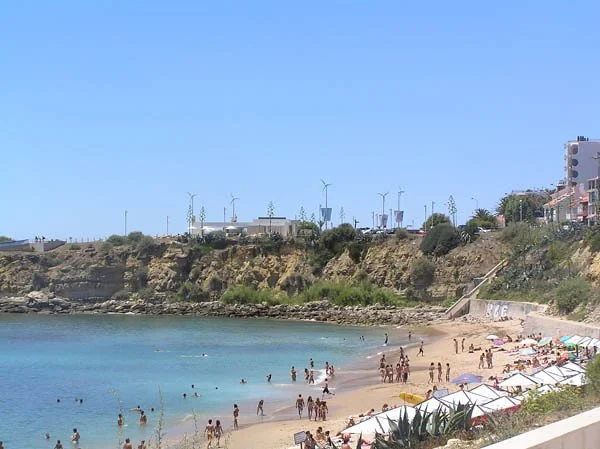
From spinning blades to usable power, here’s how wind turbines turn moving air into electricity for homes, farms, businesses, and communities.
In Goodnews Bay, Alaska, three small wind turbines were installed to help power a village water treatment facility connected to a diesel-powered microgrid.
Those turbines use the same basic process as the much larger machines you see across open farmland or along ridgelines. Wind turns the blades, the rotor drives a generator, and electrical equipment prepares the power for use.
Understanding those steps helps explain how wind energy works and where small wind can fit into your local energy system.
Step 1: Wind Turns the Turbine Blades
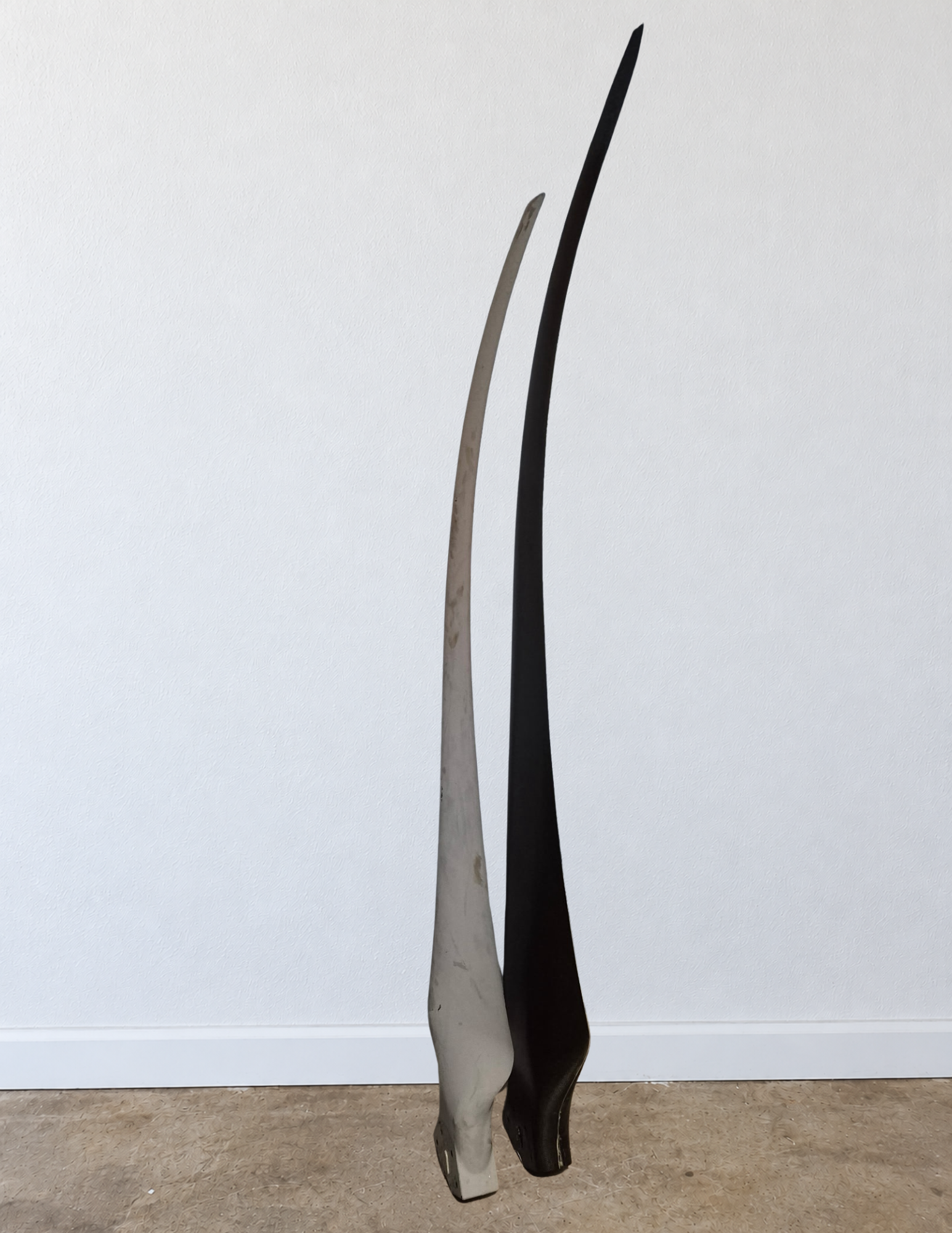
Wind contains kinetic energy, or the energy of motion. When air flows across a turbine’s blades, their aerodynamic shape creates lift, much like an airplane wing. That lift turns the rotor, the assembly of blades and the hub they attach to.
Wind speed also makes a substantial difference in power output. The power available in wind increases with the cube of wind speed, meaning that doubling wind speed increases the available wind power by a factor of eight.
However, that doesn’t mean a turbine will produce eight times as much electricity. No turbine captures all the energy in the wind, and each operates within specific limits. Actual output depends on the turbine’s design, its operating range, and conditions at the site.
Step 2: The Rotor Drives an Electrical Generator
The turning rotor transfers mechanical energy to an electrical generator. Inside the generator, the movement of a magnetic field relative to coils of wire produces electricity through electromagnetic induction.
Some turbines use a gearbox to increase the rotational speed delivered to the generator. Others use direct-drive technology, connecting the rotor to the generator without a gearbox.
In both designs, the generator converts mechanical energy into electrical energy. Hydroelectric and many conventional power plants use this principle too, but wind turbines get their movement from the wind rather than flowing water or steam.
Step 3: Power Electronics Prepare the Electricity for Use

The electricity a turbine generates must be compatible with the system receiving it. Because rotor speed and electrical output can vary with the wind, many turbines use power electronics to convert and control that output.
For a grid-connected installation, electricity must meet the network’s voltage, frequency, and safety requirements.
For example, Skystream incorporates a built-in inverter and control electronics that convert the generator’s output into AC electricity compatible with the connected electrical system. This eliminates the need for a separate external turbine inverter.
The complete installation still requires the appropriate electrical connections, protection equipment, and utility approvals.
Step 4: Electricity Goes to the Grid or Local Loads
Once electricity has been generated and conditioned, it can supply a building, a local energy system, or the utility grid.
Utility-scale wind
Large wind turbines are often grouped into wind farms that supply bulk electricity to the utility grid. Transmission and distribution networks carry that electricity to homes, businesses, and other users.
Small wind and distributed generation
A smaller turbine on a farm, ranch, commercial property, or community site can generate electricity close to where it is consumed, helping offset power purchased from a utility or, as in Goodnews Bay, fuel burned on site.
In a typical installation connected on the customer’s side of the meter, wind generation supplies some or all of the property’s electrical demand when available. Excess electricity may be exported to the grid, depending on the system configuration and utility policies.
This is an example of distributed wind. The term describes how a turbine is used and connected, rather than its size. Small turbines are common in distributed applications, but larger turbines can serve local demand too.
What Happens When the Wind Stops Blowing?
A turbine needs sufficient wind to generate usable electricity. When wind speeds fall below its operating threshold, production stops. At excessively high speeds, turbines may limit output or shut down to protect their equipment.
In a grid-connected installation, the utility supplies electricity when wind generation is insufficient.
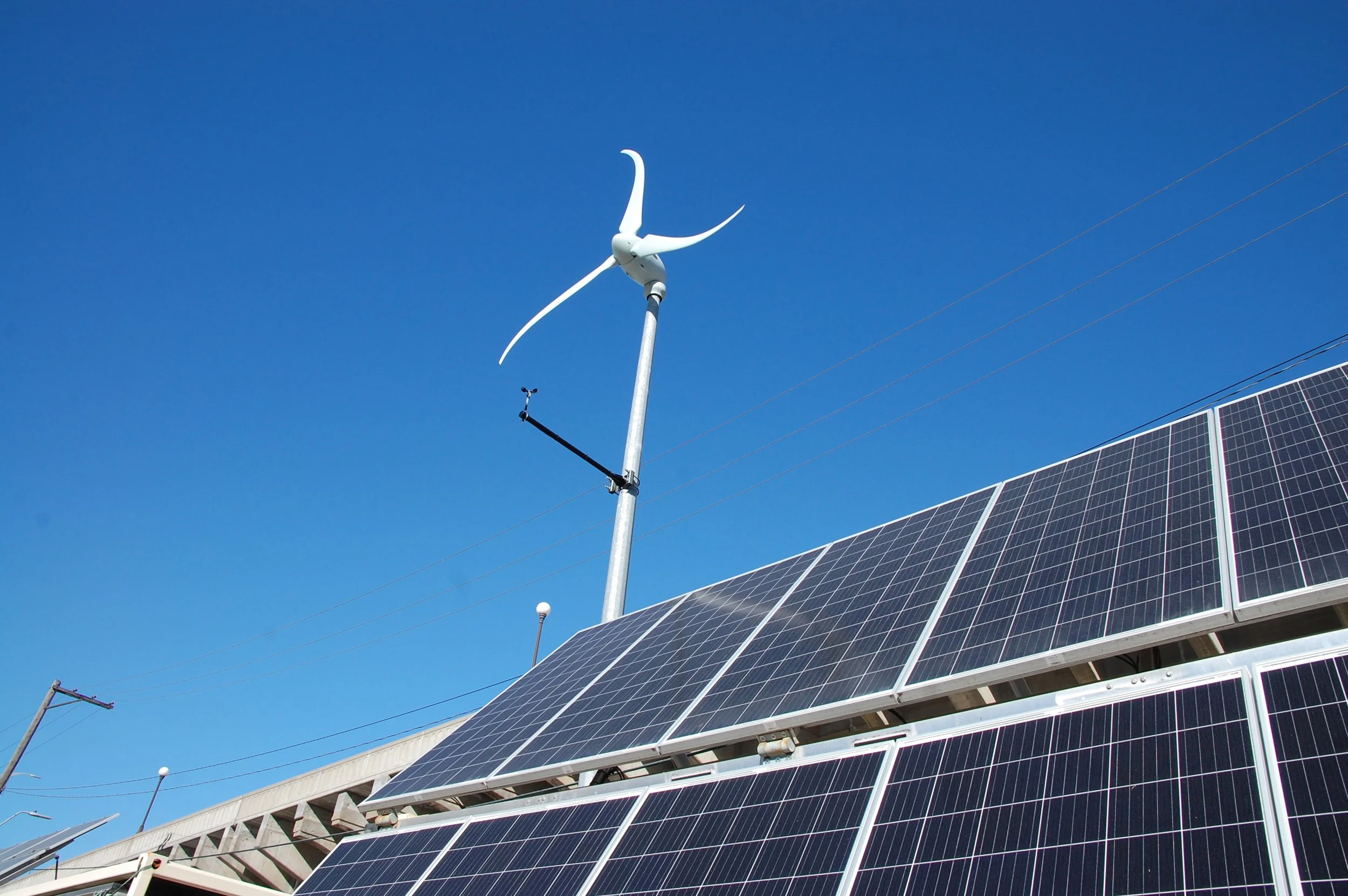
In a hybrid or off-grid system, wind can work alongside solar panels, batteries, and backup generators to help meet electricity demand. These systems require compatible equipment and controls designed to manage the resources together.
Solar panels generate electricity when sunlight is available, while wind turbines can generate during the day or night when wind conditions are sufficient. Batteries store electricity for later use, and backup generators can supply power when renewable generation and stored energy cannot meet demand.
In some locations, wind and solar production patterns complement each other. Combining resources can help reduce fuel use and support a more reliable supply, particularly in remote communities where delivering diesel is expensive and logistically difficult.
A grid connection alone does not provide backup power during an outage. Operating through an outage requires equipment and controls specifically designed for that purpose.
How Much Electricity Can a Wind Turbine Generate?
Physical size is only part of the answer. Actual generation depends on several factors:
Wind speed: Stronger winds contain substantially more energy, making the local wind resource a major factor in production.
Rotor diameter: Larger rotors sweep a greater area, making more wind energy available to capture.
Tower height: Taller towers can reach stronger, more consistent winds and reduce exposure to turbulence from nearby obstacles.
Site conditions: Buildings, trees, and terrain affect airflow and performance.
Turbine design: Blade aerodynamics, generator efficiency, and operating characteristics influence electrical output.
A turbine’s rated power, measured in kilowatts (kW) or megawatts (MW), describes its output under specified conditions. Energy production, measured in kilowatt-hours (kWh), tells you how much electricity it generates over time.
Rated power does not tell you how much electricity a turbine will generate in a year. Wind conditions change, so a turbine does not operate at its rated output continuously. Annual energy production reflects its output across the wind conditions it actually experiences.
For someone evaluating a wind project, estimated annual energy production is often more useful than rated power alone. Compared with the site’s annual electricity use, it helps show how much demand the turbine could realistically offset.
That estimate should reflect the wind resource at the proposed tower height and the turbine’s expected performance at that location.
Small Wind Power in the Real World
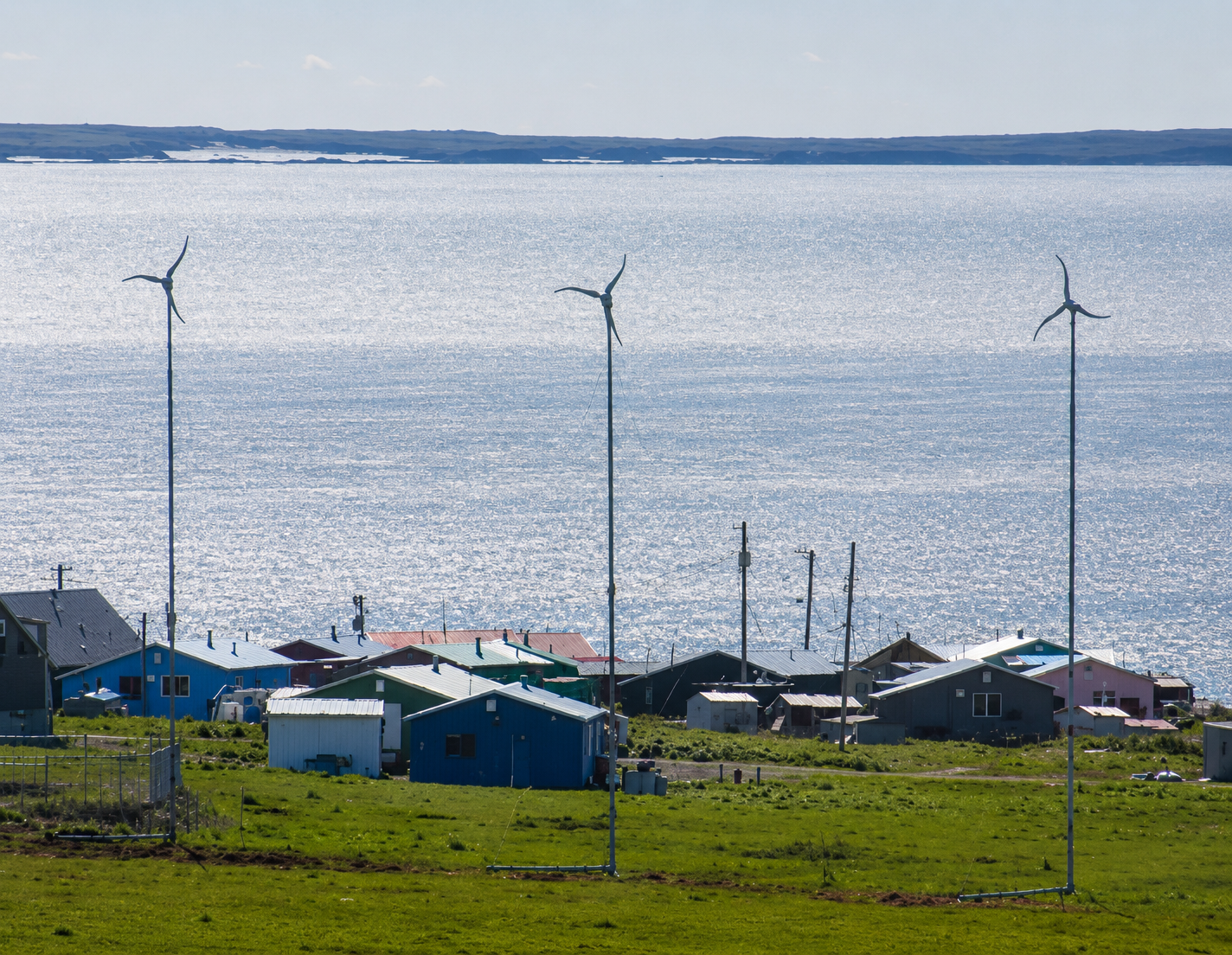
Returning to Goodnews Bay, the three Skystream wind turbines were installed to help supply electricity to the village’s water treatment facility, integrating with the community’s existing diesel-powered microgrid.
The installation was expected to generate approximately 13,500 kWh annually, equivalent to roughly 75% of the facility’s annual electricity demand. It was also designed to send excess generation into the village microgrid.
By offsetting diesel-generated electricity, the installation aimed to reduce fuel consumption and operating costs while supporting an essential community service.
The Goodnews Bay project illustrates that a turbine does not have to supply all of a facility’s electricity to provide value. Supplying a portion of demand can reduce the amount of electricity needed from other sources.
Turning Wind Into Practical Power
Wind generation starts with a straightforward process, but a successful installation depends on matching the turbine and electrical system to the site.
For property owners and communities, the practical questions are how much usable wind is available, how much electricity a turbine could generate, and how that generation would fit with existing energy resources.
Could small wind work for your property or community? Contact Skystream Energy to discuss your site, energy needs, and system options.