
The Case for Wind on Rural Properties: Wind vs. Solar for Nighttime and Winter Energy
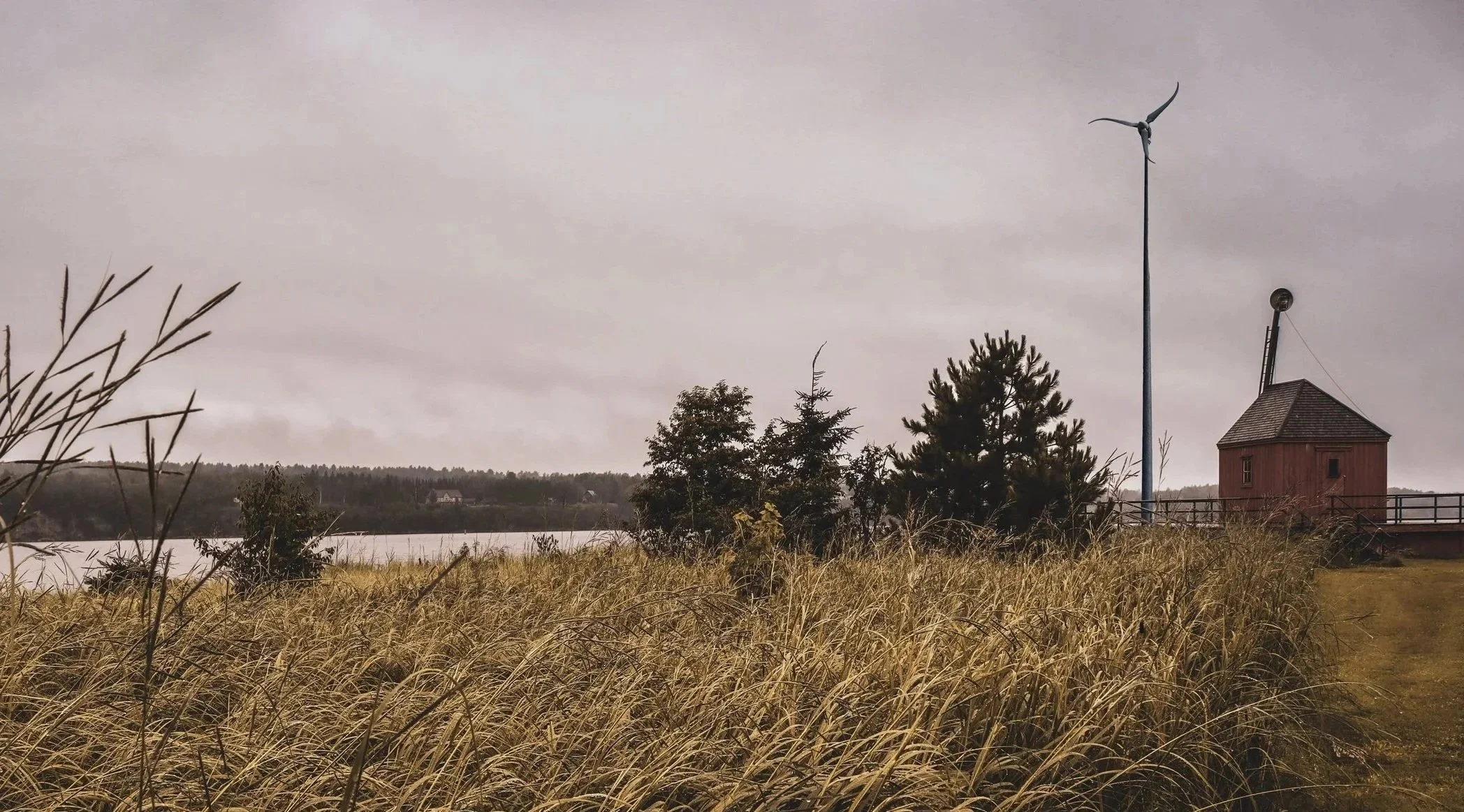
Rural energy planning often starts with solar.
Solar panels are familiar, predictable, and widely promoted. For many farms, ranches, and large rural properties, solar can deliver meaningful daytime energy and reduce grid dependence.
But solar alone leaves a structural gap, one that shows up at night, during winter, and in shoulder seasons. These are often the same periods when energy demand increases and reliability matters most. This is where wind plays a crucial role.
Solar’s Strengths and Limits
Solar performs best during long summer days with clear skies. On rural properties, it can offset daytime loads such as workshops, irrigation controls, refrigeration, and general operations.
After sunset, however, solar output drops to zero. In winter, production often declines further due to shorter days and lower sun angles. While winter solar performance varies by latitude, tilt, and site conditions, the seasonal mismatch between peak energy needs and solar availability is a common planning challenge for year-round rural operations.
Covering nighttime and winter demand with solar alone typically requires oversized arrays and large battery banks, increasing system cost and complexity, especially on properties with multiple buildings spread across large acreage.
Wind Works When the Sun Can’t
Wind behaves differently than solar. Research conducted by U.S. Department of Energy national laboratories has shown that wind speeds and turbine power output are often higher during nighttime hours than during the day, driven by more stable atmospheric conditions.
While wind performance varies by location, these nighttime patterns help explain why wind frequently complements solar by producing energy when solar systems are offline.
For rural properties, that means:
Nighttime generation when solar output drops to zero
Stronger winter contribution during months with higher energy demand
Less pressure on batteries and backup generators
A Practical Rural Example
Consider a mid-sized ranch with a main residence, several outbuildings, water pumps, perimeter lighting, and communications equipment. Daytime solar offsets shop loads and general daytime electricity use. Overnight, however, critical systems continue running. In winter, lighting hours increase, and heating-related electrical loads rise.
In a solar-only system, batteries must carry the entire overnight load, and generators often fill winter gaps. When wind is added, nighttime and winter energy production helps support those same loads directly. Batteries cycle less aggressively, and generators run fewer hours. The result is steadier performance across the year, not maximum output from any single technology.
A Seasonal Reality
Energy demand on rural properties does not follow a neat solar curve. Livestock operations, water systems, refrigeration, communications, and security loads operate regardless of daylight. In winter, these loads often increase just as solar availability declines.
Wind helps flatten this seasonal mismatch. Rather than overbuilding solar for peak summer production, a combined approach distributes generation across seasons and operating hours in a way that better reflects real-world use.
Hybrid Systems Are Where Wind Delivers the Most Value
The question is not wind versus solar. It is wind with solar.
In hybrid systems:
Solar covers daytime production during high-insolation months
Wind contributes energy overnight and through winter
Battery storage requirements become more manageable
Backup generators operate fewer hours
The U.S. Department of Energy has conducted research on hybrid energy systems that shows that combining wind and solar can reduce reliance on large battery banks and extended generator runtime, improving overall system efficiency and reliability.
Why Small Wind Fits Rural Properties
Rural land often provides the space, exposure, and zoning flexibility that small wind systems require. Open terrain and distance from neighbors reduce siting constraints, making farms and ranches some of the most practical environments for distributed wind.
Modern small wind systems are designed for quiet operation, automated controls, and integration with existing electrical infrastructure supporting real-world operations rather than experimental use.
Wind Fills the Gaps
Solar is an important foundation for rural energy systems. But on its own, it leaves gaps during the very hours and seasons when reliability matters most.
Wind fills those gaps naturally, producing energy at night, in winter, and during conditions that challenge solar-only systems. For properties that operate year-round, the strongest energy strategies reflect how power is actually used, not just how it is generated.