
Inside the Turbine: What Makes Skystream Different from Commodity Small Wind
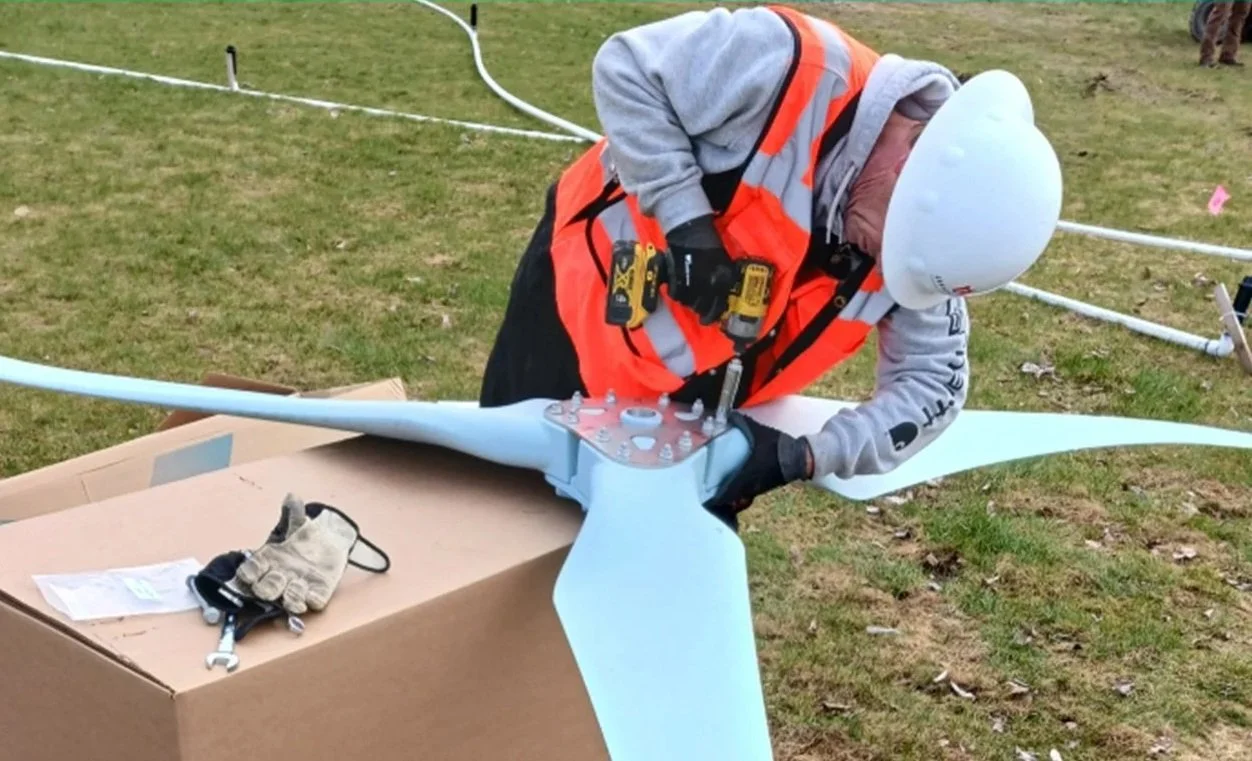
Not all small wind turbines are built the same, even when they look it.
Three blades, a tower, a nacelle, and a rated output number. On paper, the differences between products can be hard to spot. In the field, they become obvious.
Turbines operate under real stress: turbulence near structures, seasonal wind shifts, and sudden gust events. How a system is engineered to handle those conditions determines whether it holds up over 10 to 20 years or doesn't.
For dealers and end users alike, understanding those internal design differences matters.
Real-World Performance Matters More Than Peak Ratings
Many small wind products emphasize peak output numbers. What matters more is how a turbine performs across the full range of wind speeds it will experience over years of operation.
A well-engineered turbine is designed to:
Capture energy efficiently at moderate wind speeds
Maintain stable output during changing conditions
Protect itself automatically during high-wind events
Reduce long-term mechanical stress
Performance is not just about the highest number on a spec sheet. It is about consistent energy production and durability over years of operation.
For example, the Skystream 3.7 turbine begins producing power at wind speeds as low as 8 mph (3.5 m/s) and is engineered to withstand survival wind speeds up to 140 mph, allowing it to operate safely across a wide range of conditions.
That combination of low cut-in speed and high survival rating helps the turbine remain productive in everyday wind while protecting itself during extreme weather.
Control Systems and Overspeed Protection
High-wind regions, whether in the Caribbean, the Midwest, or mountain states, demand intelligent control.
Skystream systems incorporate control mechanisms designed to manage turbine behavior across changing wind conditions. The turbine uses stall regulation and electronic braking systems to control rotor speed and protect the system during extreme events.
These systems work to:
Regulate rotor speed
Engage protection modes during extreme gusts
Prevent runaway conditions
Reduce mechanical strain during storm events
Recent engineering improvements have also focused on how turbines respond to changing wind conditions. Updated control algorithms allow the turbine to respond more quickly to wind variability and maintain stable generation during gust events.
This matters not only for hurricane-prone coastal markets but also for:
Open farmland
Elevated rural properties
Great Plains installations
Protection systems extend equipment life and protect customer investment.
Designed for AC Output
Another key differentiator is architecture.
Rather than relying on multiple external components to convert DC output, Skystream systems integrate the inverter and control electronics directly into the turbine design. This allows the system to produce grid-compatible AC power for direct connection to residential electrical systems.
This simplifies integration for:
Grid-tied residential installs
Agricultural properties
Microgrid environments
Fewer external components can mean:
Simpler installation
Fewer failure points
Reduced troubleshooting complexity
For dealers, that translates to a lower service burden. For customers, it translates to long-term reliability.
Durability in Harsh Environments
When evaluating small wind systems, installers should look beyond rated output and consider materials, enclosure design, and long-term serviceability.
Coastal corrosion, agricultural dust, and temperature swings all influence turbine longevity.
Key environmental stresses include:
Salt exposure, which accelerates corrosion in coastal environments
Moisture, particularly in humid or storm-prone regions
UV degradation from continuous sun exposure over many years
Mechanical fatigue caused by constant wind variation and vibration
Engineering updates to the Skystream platform have focused specifically on these challenges. Improvements include enhanced protective coatings designed to improve resistance in coastal and high-humidity environments, along with mechanical upgrades that reduce vibration and structural stress during operation.
Monitoring and Performance Visibility
Modern wind installations benefit from visibility into system performance.
Skystream turbines offer optional monitoring capabilities and a wireless user interface that allows operators to view performance information and system status.
Performance visibility can provide:
Production insight over time
Early indication of potential issues
Data to support long-term performance evaluation
For dispersed rural or island installations, having visibility into turbine performance helps operators better understand how the system is operating in their specific wind environment.
The Bottom Line
Small wind remains a powerful tool in the right environments, from Caribbean coastal homes to Midwestern farms.
But success depends on engineering.
When dealers and customers evaluate small wind systems, the question should not simply be:
“How much does it produce at peak wind?”
It should be:
“How does it perform, protect itself, and deliver value over 10 to 20 years?”
That is where design matters.