
Energy Independence for Island Communities, One Project at a Time
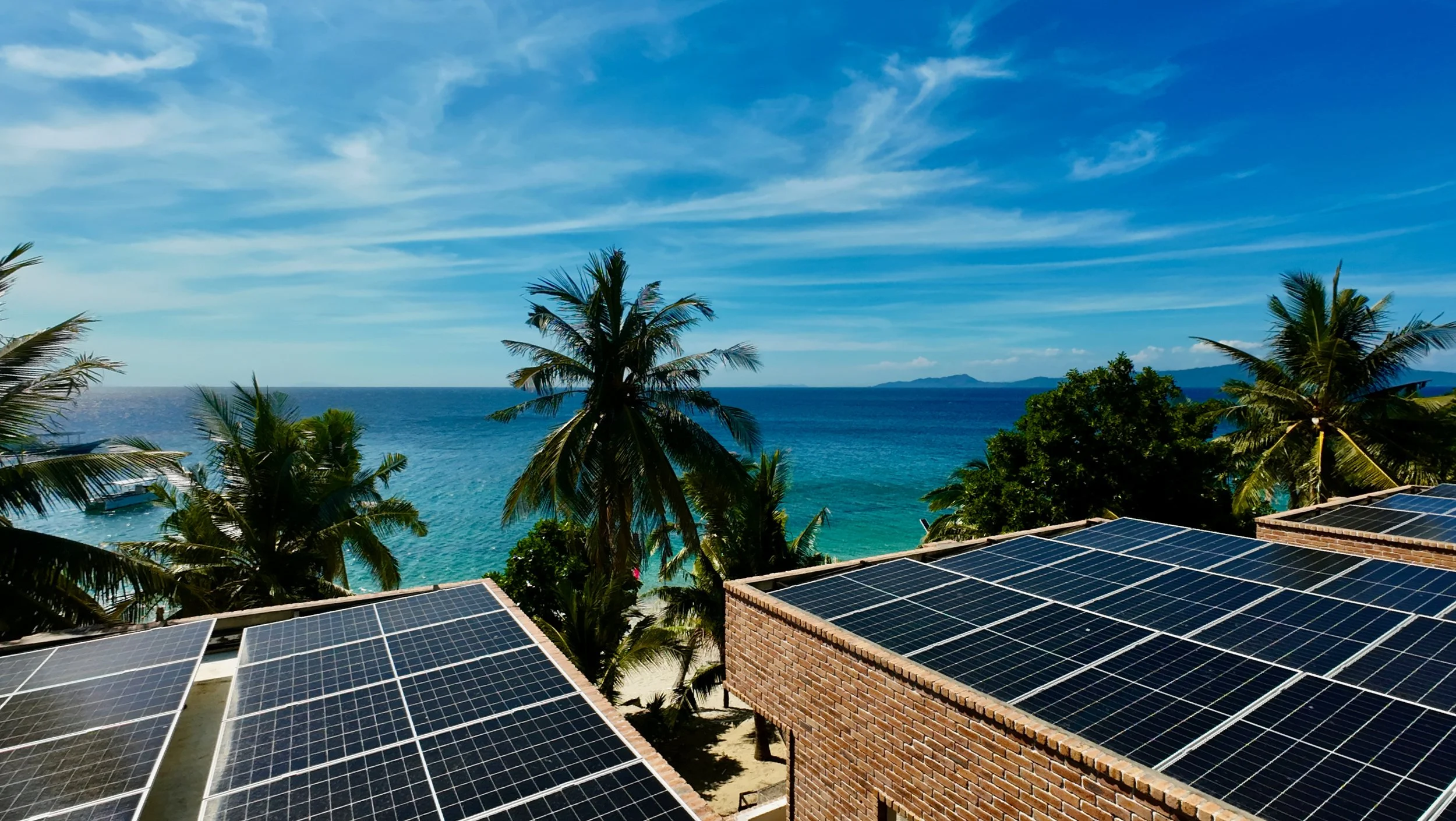
For island communities, energy is not an abstract policy discussion. It is a daily operational reality shaped by fuel deliveries, weather, aging infrastructure, and limited margin for failure. When power goes out, there is no neighboring grid to lean on. When diesel prices spike or shipments are delayed, the impact is immediate and costly.
When a fuel shipment is delayed by weather or port congestion, backup margins shrink quickly. When generators run continuously for weeks after a storm, maintenance cycles accelerate. These are not rare events. They are recurring operational realities.
Energy independence on islands rarely arrives through massive, centralized projects alone. More often, it is built step by step.
Why Energy Independence Looks Different on Islands
Diesel generation remains the backbone of power for many island grids and microgrids. It works, but it brings persistent risk: volatile fuel costs, complex logistics, environmental exposure, and continuous mechanical wear.
In many island markets, generators carry high and volatile operating costs, with fuel accounting for the majority of lifetime generation expense. In isolated systems, including remote communities studied by the U.S. Department of Energy, effective diesel generation costs often exceed $0.50 per kilowatt-hour and can rise significantly higher in locations with complex fuel logistics. Island markets face similar structural challenges tied to fuel delivery and scale.
At the same time, many islands benefit from strong and consistent wind resources, especially in coastal and trade wind regions. That creates an opportunity to shift part of the energy mix toward local production that communities can rely on year after year.
Energy independence here does not mean eliminating diesel overnight. It means reducing dependence, lowering runtime, and giving communities more control over how fuel is used.
Small Wind as a Practical Building Block
Small wind works best as part of a broader system. It does not replace existing infrastructure; it changes how that infrastructure operates.
In strong trade-wind environments, a single turbine can generate 5–11 megawatt-hours per year. That production can displace hours of generator operation each day, particularly during nights and seasonal low-solar periods. Over time, fewer runtime hours mean lower fuel consumption and reduced wear on continuously operated equipment.
Unlike solar, which produces only during daylight hours, wind in many island climates continues generating through evenings, cloudy conditions, and shoulder seasons. That complementary profile allows wind to support the grid when diesel systems typically work hardest.
Communities can start with one well-sited installation and expand as performance is validated. Each project builds operational experience and confidence before the next is deployed.
Confidence Built on Real Performance
Island energy transitions often begin with a visible, practical project: at a school, telecom site, community center, or utility facility. Performance is monitored. Local technicians gain experience. Residents see the system operating under real conditions.
That first project does more than generate electricity. It demonstrates what is possible.
Once reliability and fuel savings are documented, planning becomes grounded in data rather than assumptions. Energy independence grows incrementally, supported by real-world results.
Resilience Is Not Optional
Storms, hurricanes, and extended outages are part of island life. Energy systems must account for that reality.
Modern small wind systems designed for coastal environments are engineered to withstand extreme wind events while continuing to operate in variable conditions. With survival ratings up to 140 mph and high-wind controls, properly sited turbines can remain part of the energy mix even in volatile weather.
When paired with solar, batteries, and intelligent controls, distributed wind reduces reliance on a single point of failure. Critical facilities can remain operational even when parts of the grid are compromised.
Keeping Value Local
Community-scale projects also create local economic impact. Installation and routine maintenance can be handled by trained local technicians, keeping expertise and economic value within the island rather than exporting it along with fuel payments.
Energy independence is not only about kilowatt-hours. It is about strengthening local capability and reducing long-term vulnerability.
Practical Energy Independence for Islands
Large-scale infrastructure has its place. But on many islands, meaningful progress begins with manageable, visible projects that fit local budgets and conditions.
The Skystream 3.7 Pro is built specifically for this kind of incremental deployment. At 2.4 kW rated capacity, with survival wind speeds up to 140 mph and quiet operation suitable for community sites, it integrates directly into grid-tied or hybrid systems. It does not require a full system overhaul to begin reducing diesel runtime.
Adding wind incrementally and integrating it thoughtfully with existing solar, storage, and generators can:
Reduce daily generator hours
Lower fuel consumption and exposure to volatile pricing
Extend generator service intervals
Add nighttime and seasonal generation that complements solar
One well-sited turbine will not eliminate diesel entirely. But it can measurably reduce fuel imports, operating costs, and mechanical strain. Over time, multiple small deployments can meaningfully shift the local energy mix.
If you are evaluating options for a diesel-dependent site, a wind resource and system assessment can determine whether small wind is technically and economically viable for your location and load profile.