
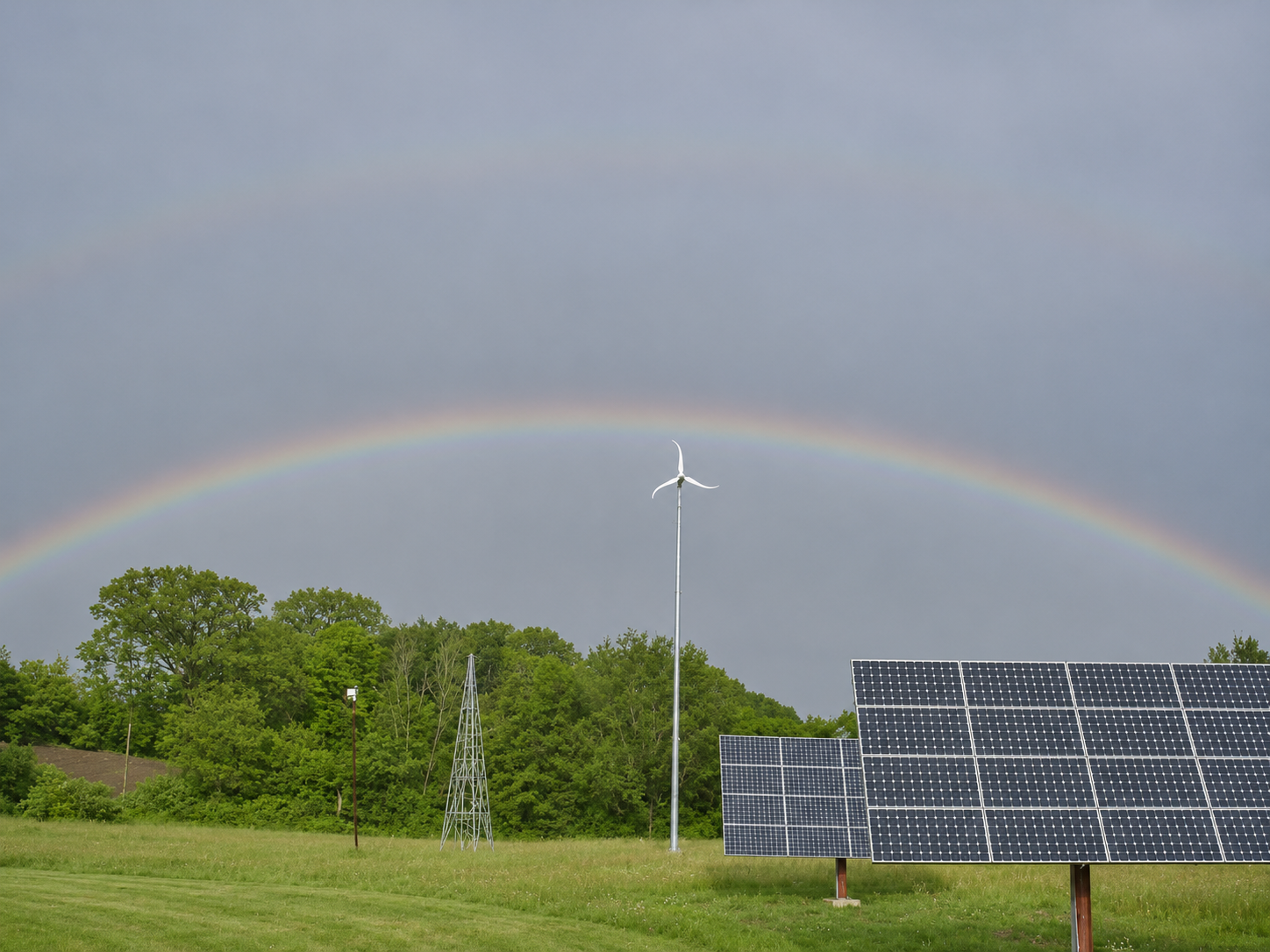
The way we generate and use electricity is changing.
For decades, most homes, businesses, and communities have depended on centralized power generation, with electricity delivered through extensive transmission and distribution networks. Today, more property owners and communities are exploring ways to generate electricity closer to where it's needed.
Solar panels, battery storage, and advanced energy management technologies have made on-site power generation increasingly accessible. But another resource has an important role to play: wind.
Distributed wind energy allows homes, farms, businesses, and communities to generate electricity locally, either independently or alongside other power sources.
Rather than replacing the utility grid or competing with solar, distributed wind can become part of a more flexible energy system designed around local resources and electricity needs.
So where does distributed wind fit, and when does it make sense?
What Is Distributed Wind Energy?
When most people think of wind power, they picture large wind farms with towering turbines generating electricity for the utility grid.
Distributed wind is defined by where and how the electricity is used. Turbines generate power at or near the location where it's used, rather than supplying bulk electricity to distant users. Installations can range from a single small wind turbine serving a home or business to multiple turbines supporting a farm, commercial facility, or community microgrid.
Distributed wind can serve a range of applications, often in combination:
Grid-connected: Wind turbines generate electricity on-site, reducing the amount of power purchased from the utility when wind resources are available.
Hybrid renewable energy systems: Wind works alongside solar panels, battery storage, and other technologies to provide a more diversified energy supply.
Remote and off-grid: Wind helps reduce dependence on diesel generators and other conventional power sources.
Community microgrids: Multiple turbines contribute electricity to a localized energy network serving homes, businesses, or essential infrastructure.
The right configuration depends on the location, available wind resources, electricity demand, and existing power infrastructure.
For a closer look at how turbines convert wind into electrical power, read How Do Wind Turbines Generate Electricity?
How Does Distributed Wind Complement Solar Energy?
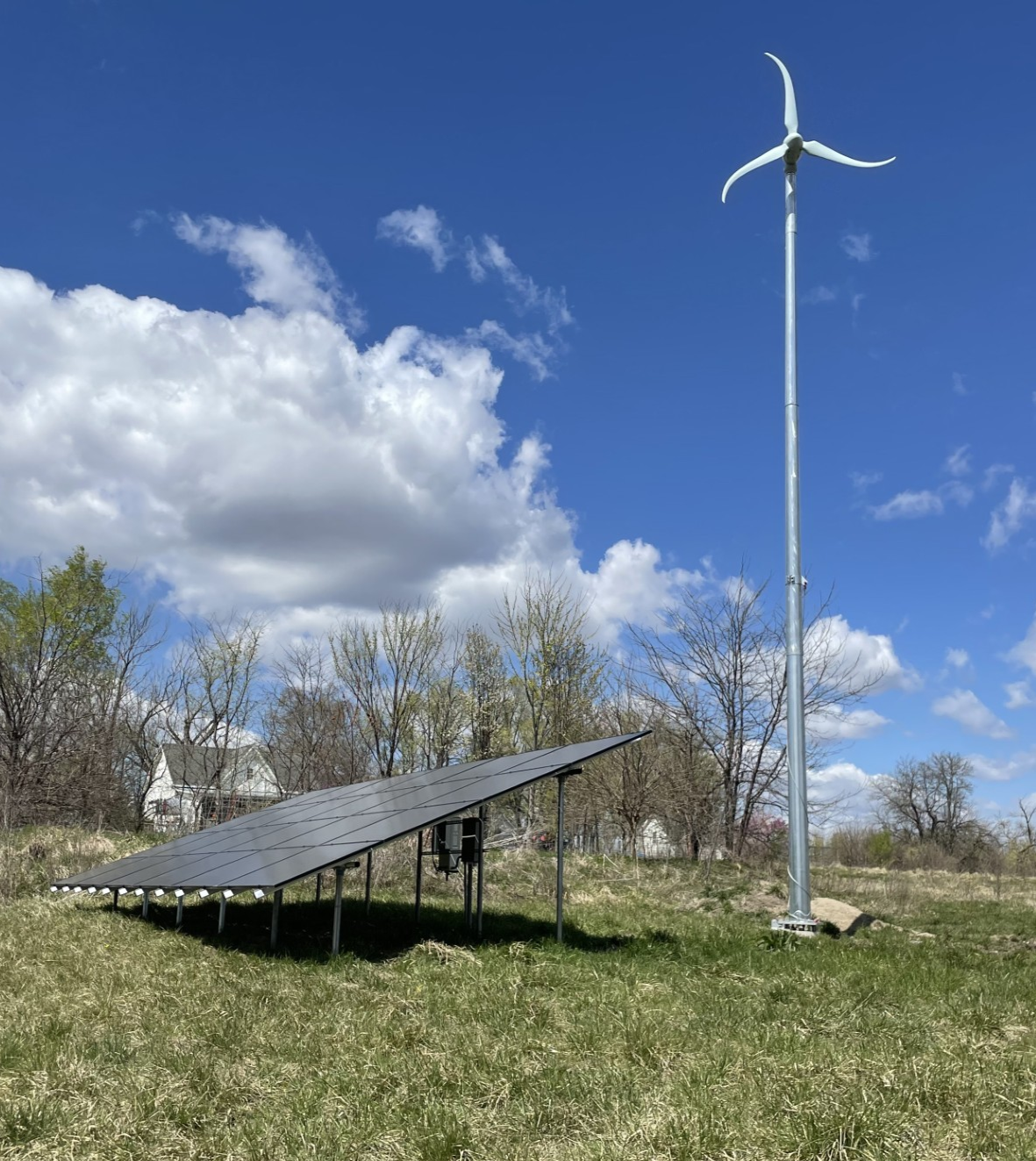
Solar is one of the most familiar forms of distributed energy generation. It's modular, widely available, and well suited to many residential and commercial applications.
But solar has a natural limitation: it only generates electricity when sufficient sunlight is available.
Wind offers a complementary resource. In many locations, wind conditions are stronger during the evening, overnight, or during seasons when solar production is lower. These patterns vary by geography, but where they occur, combining wind and solar can help distribute renewable electricity generation across more hours of the day and year.
Consider a rural property with both solar panels and a wind turbine. During sunny periods, solar may supply a significant portion of the property's electricity. When daylight fades or cloudy weather reduces solar production, wind generation may continue if conditions are favorable.
Together, these technologies can create a more balanced renewable energy profile than either resource alone.
The advantage isn't simply generating more renewable electricity; it's having different resources available under different conditions.
Where Do Batteries and Backup Generators Fit?
Wind and solar generate electricity when their respective resources are available. Battery storage allows some of that electricity to be saved for later use.
In a hybrid energy system, batteries can help balance short-term differences between electricity production and demand. They may also provide power when renewable generation is temporarily insufficient.
For remote communities and off-grid properties, conventional generators often remain an important part of the system. A hybrid configuration combining wind, solar, batteries, and diesel generators can prioritize renewable generation when available while retaining dispatchable power when needed.
This approach can reduce generator runtime, fuel consumption, and dependence on fuel deliveries without requiring communities to abandon existing infrastructure.
It's also important to distinguish between renewable energy generation and backup power. A grid-connected wind turbine does not automatically provide electricity during a utility outage. Backup operation requires a system specifically designed with the appropriate controls, storage, and electrical infrastructure.
The value comes from designing these components to work together rather than treating each technology as a standalone solution.
Where Does Distributed Wind Make the Most Sense?
Distributed wind isn't appropriate for every location. Successful applications depend on suitable wind resources, adequate installation space, local permitting requirements, and a meaningful opportunity to offset existing electricity consumption.
Several environments are particularly well suited to evaluating distributed wind energy.
Farms, Ranches, and Rural Properties

Agricultural operations often combine substantial electricity needs with available land and exposure to wind resources. Small wind turbines can help offset electricity used for irrigation, refrigeration, workshops, equipment, and other agricultural activities.
When combined with solar, wind can also help diversify electricity generation across changing weather conditions and seasonal demand.
Commercial and Institutional Facilities
Businesses, schools, and other facilities may incorporate distributed wind as part of a broader energy strategy. Depending on the location and application, wind generation can help reduce purchased electricity, support sustainability objectives, and demonstrate the practical use of renewable energy technologies.
Remote and Island Communities
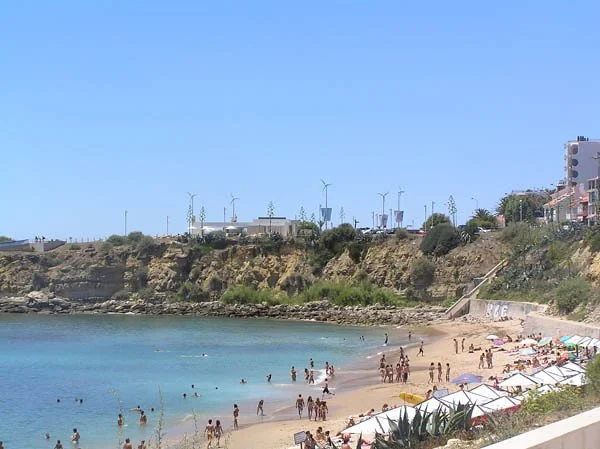
For remote communities, electricity costs are often influenced by the expense of transporting and storing diesel fuel. Distributed wind can help reduce fuel consumption by supplying locally generated electricity to existing power systems.
When integrated into a hybrid microgrid, wind becomes one of several resources used to meet community electricity demand.
Essential Infrastructure and Community Microgrids
Water treatment facilities, communications infrastructure, and other essential services depend on reliable electricity. Distributed wind can contribute to their energy supply, particularly when integrated with existing generation and backup systems.
For communities with limited access to centralized infrastructure, locally generated electricity can provide both economic and operational benefits.
The Goodnews Bay project below shows how wind can support a water treatment facility within an existing diesel-powered microgrid.
Distributed Wind in Action: Goodnews Bay, Alaska
A project in Goodnews Bay, Alaska, demonstrates how distributed wind can support essential community infrastructure. The remote village installed three Skystream wind turbines to help offset the diesel-generated electricity used by its water treatment facility.
The facility required approximately 18,000 kilowatt-hours of electricity annually. The wind installation was projected to generate approximately 13,500 kilowatt-hours per year, equivalent to roughly 75% of the facility's annual electricity demand.
The turbines were connected behind the meter, allowing locally generated electricity to offset purchased power. Excess generation could also feed into the village microgrid.
The project illustrates a practical benefit of distributed wind: reducing reliance on diesel-generated electricity while supporting an essential public service. Rather than replacing the village's existing power infrastructure, wind generation became another resource within it.
What Should You Consider Before Adding Distributed Wind?
Like any energy investment, distributed wind requires an understanding of the site's resources, electricity demand, and long-term objectives.
Five questions can help determine whether wind belongs in the energy mix.
1. Are the local wind resources suitable?
Wind speed, consistency, turbulence, and surrounding terrain all influence potential electricity generation. A site-specific wind assessment is an important starting point.
2. When is electricity needed most?
Understanding daily and seasonal demand helps determine how wind generation might complement existing power sources.
3. What energy infrastructure is already in place?
Distributed wind may be integrated with a utility connection, solar installation, battery storage, or conventional generator. The existing system influences the design and economics of the project.
4. What is the primary energy objective?
Reducing electricity costs, lowering diesel consumption, increasing local generation, and supporting energy resilience may require different system configurations.
5. What are the long-term operating requirements?
Installation costs, permitting, maintenance access, equipment performance, and expected energy production should all be considered when evaluating a project. Electricity rates, compensation for exported power, and ongoing costs also affect whether a project makes financial sense.
The most effective distributed energy systems begin with the application and the available resources, not a predetermined technology.
The Future of Energy Is About Integration
The evolution of modern energy systems isn't necessarily about choosing between centralized power and local generation or between wind and solar. Increasingly, it's about understanding how different technologies can work together.
When combined with solar, storage, and existing power infrastructure, wind can help reduce dependence on outside energy sources and create a more diversified electricity supply.
The question isn't whether wind should replace other energy technologies. It's where wind can add value to the overall system.
At Skystream Energy, we help property owners, communities, and project developers evaluate how distributed wind generation can support their energy objectives.
Contact Skystream Energy to explore whether wind is a good fit for you.