
How Residential Wind Turbines Work: A Complete Guide for Homeowners
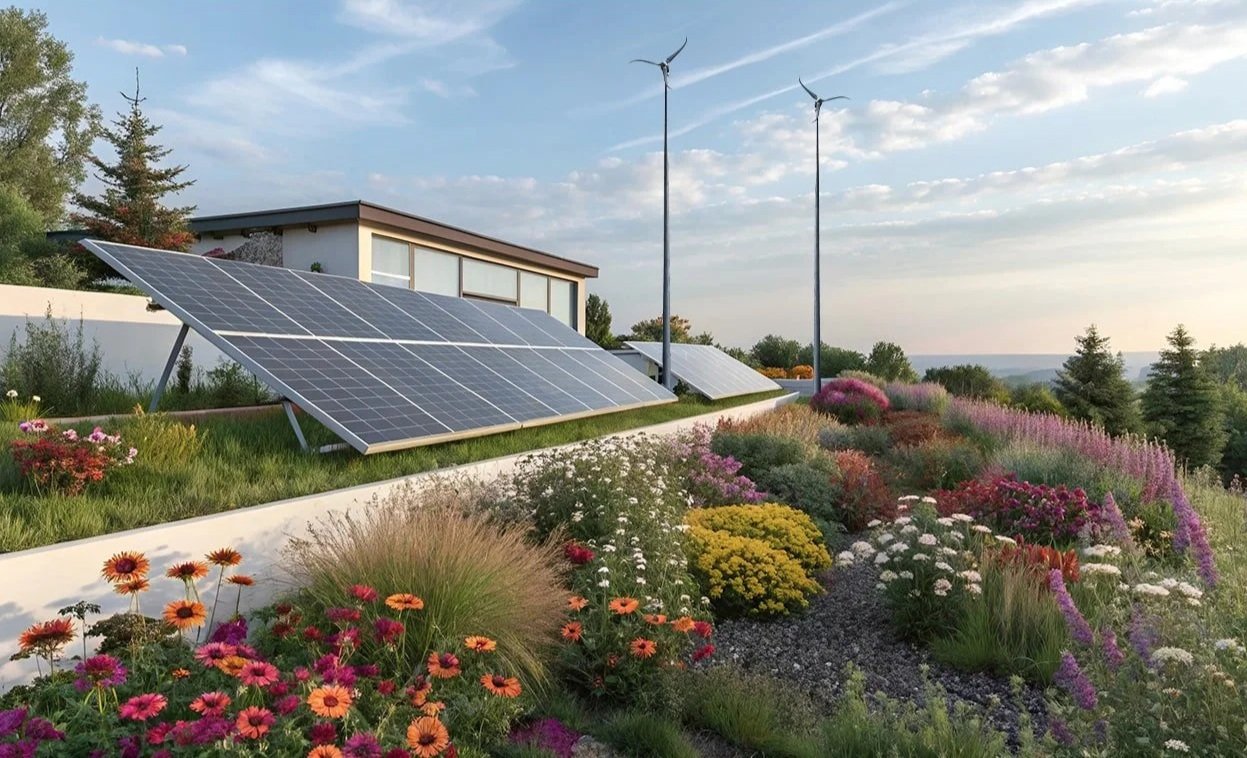
Electricity bills continue to climb, and more homeowners are looking for ways to take control of their energy costs. For rural homeowners with consistent wind and open space, a residential wind turbine offers a practical way to generate your own power. Wind produces electricity day and night, through storms, and throughout winter, quietly offsetting your grid usage year-round.
If you're wondering what actually happens when a turbine is installed on your property (and whether it makes sense for your situation), this guide explains how the technology works, what changes in your daily life, and what kind of results you can expect.
How a Residential Wind Turbine Turns Wind Into Electricity
A modern residential wind turbine converts moving air into usable power through a straightforward mechanical process.
When wind moves across the blades, it causes them to spin, like a fan running in reverse. The rotating blades turn a generator inside the turbine, creating electrical energy. That electricity passes through a built-in inverter that converts it into the same 120/240V AC power your home already uses. Because the inverter is built into the turbine, Skystream can be configured to match any AC grid connection your site requires. From there, it flows directly into your home's electrical panel.
You don't have to interact with any of these components, either. They operate automatically. The turbine starts producing power as soon as the wind reaches its cut-in speed (typically around 7 to 9 miles per hour) and adjusts itself as wind speeds change throughout the day.
How the Turbine Works With Your Home's Electrical System
A residential turbine works alongside your utility connection. You're never relying on wind alone.
When the wind is blowing, your home automatically uses the turbine's electricity first. Anything running at that moment (lights, appliances, well pumps) draws from the wind before pulling from the utility.
When the wind slows or stops, your home immediately pulls electricity from the grid, just as it always has. There's no interruption or downtime. You never lose power simply because it's calm outside. The grid acts as your backup at all times.
When the turbine generates more power than you're using, extra electricity flows back to the grid. In areas with net metering (where utilities credit you for exported energy), those credits offset the electricity you buy from the grid later, reducing your bill even during low-wind periods.
This creates a simple cycle: use wind when it's available, use the grid when it's not, and earn credits when you generate more than you need.
All of it happens automatically in the background.
What Daily Life With a Wind Turbine Actually Looks Like
Once installed, a residential wind turbine runs itself. There are no batteries to manage, no switches to flip, and no daily settings to adjust. The system starts and stops on its own based on wind conditions.
Modern turbines are engineered for quiet operation. Most produce sound levels comparable to a light breeze through trees, unnoticeable from inside your home and barely audible even when you're standing nearby.
Maintenance is minimal. Annual inspections, as recommended, check components and confirm everything is operating as expected. That's it.
You'll continue receiving a single monthly electric bill from your utility. The difference is that the bill reflects how much of your power came from the grid versus how much was offset by the turbine. Over time, those offsets add up to significant savings.
What a Residential Turbine Can Power in Your Home
A 2 to 3 kilowatt residential turbine isn't designed to run an entire home independently during peak demand. Instead, it offsets the everyday loads that run continuously in the background:
Refrigerators and freezers
Well pumps
Lighting throughout the home
Home office equipment
Electronics and chargers
Laundry appliances
HVAC fans or mini-split systems
In a suitable wind site, a turbine like the Skystream 3.7 Pro can produce roughly 5 to 11 MWh (megawatt-hours) per year. To put that in perspective, that's enough to cover 40 to 80% of a typical rural home's electricity use, depending on consumption patterns and local wind resources.
Wind also complements solar remarkably well. It produces power at night, during storms, and throughout winter when solar output drops. If you already have solar, adding wind creates a more complete renewable energy system.
Is Wind a Good Fit for Your Property?
Not every home has the wind resource or space needed for a residential system. A few practical criteria help determine whether wind is worth evaluating:
Average wind speeds of 10+ mph (12+ mph for optimal performance)
At least a half-acre of open land with room for a 40- to 60-foot tower
Clear exposure without tall trees or buildings immediately upwind
Zoning or permitting that allows tower installations
Utility interconnection available for grid-tied systems
A professional wind assessment to estimate production accurately
If your property meets these conditions, wind offers long-term savings, stronger energy independence, and a clean power source that works quietly in the background for decades.
Your Next Step: Get a Professional Wind Assessment
Understanding whether wind makes economic sense for your property starts with accurate data.
A professional wind assessment measures your site's actual wind resource, estimates annual production, and calculates your expected payback period based on your current electric rates.
This assessment typically takes 4 to 6 days and gives you the concrete numbers you need to make an informed decision, without guesswork or assumptions.
Ready to see what wind energy could look like on your property? Schedule your wind assessment today and get a detailed production estimate for your specific location.
Schedule Your Free Assessment with Skystream Energy's General Manager, Ryan Loiacono